
Shopping Centres and Retail
In Shopping Centres and Retail, the floor is part of the trading environment: terrazzo and stone that has to hold its gloss under constant foot traffic, food court spills that migrate, wet-weather entries that create a slip risk, and a cleaning window that closes the moment the doors open.
Find Distributor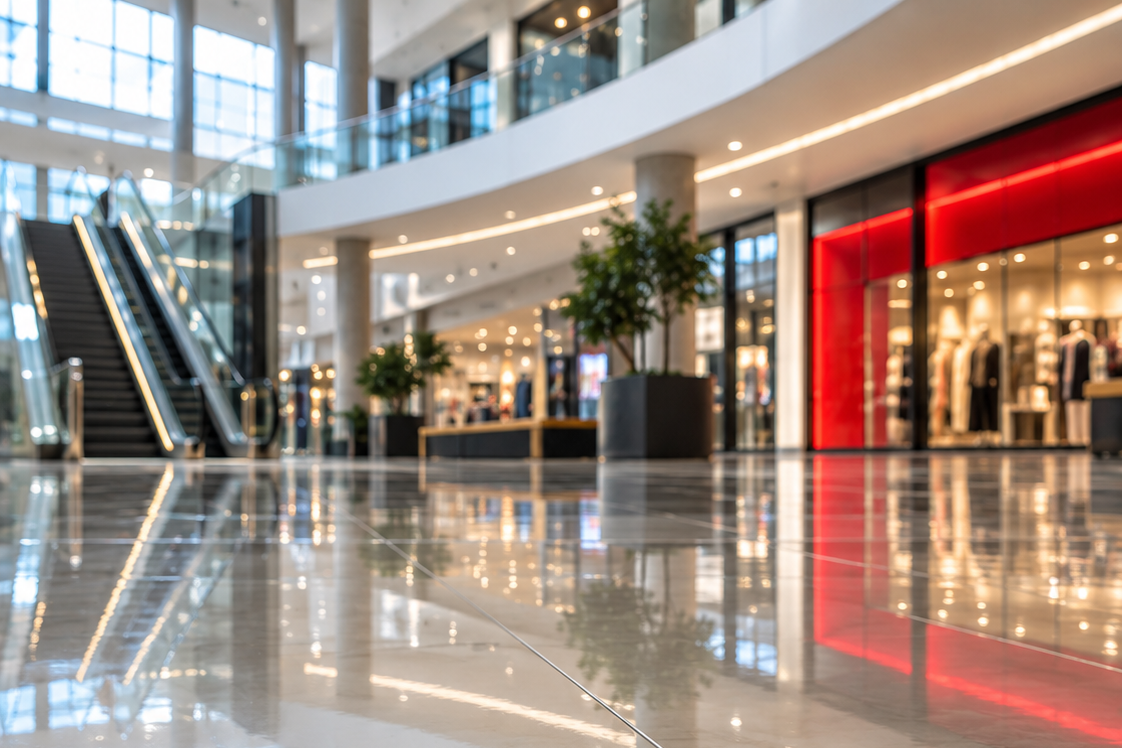
Retail floors are judged by people who are not thinking about floors. A shopper never notices a well-maintained concourse, but they register a dull patch outside a flagship tenancy, a sticky ring in the food court, and water pooling inside the entry on a wet Saturday. Centre management is buying appearance and risk management at the same time, on a surface that is never actually closed.
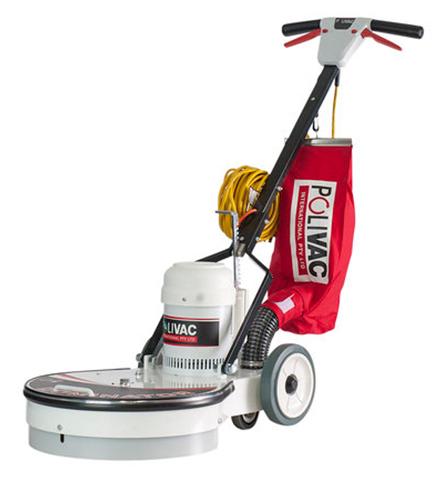
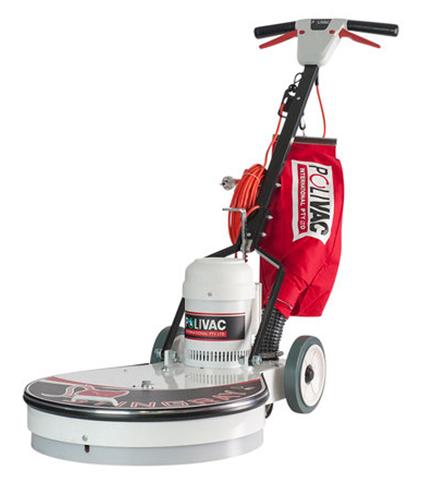
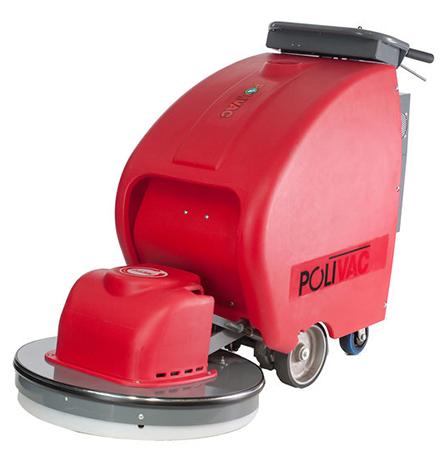
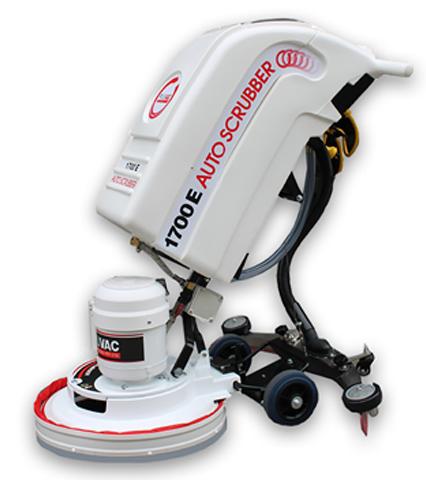
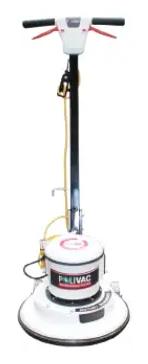
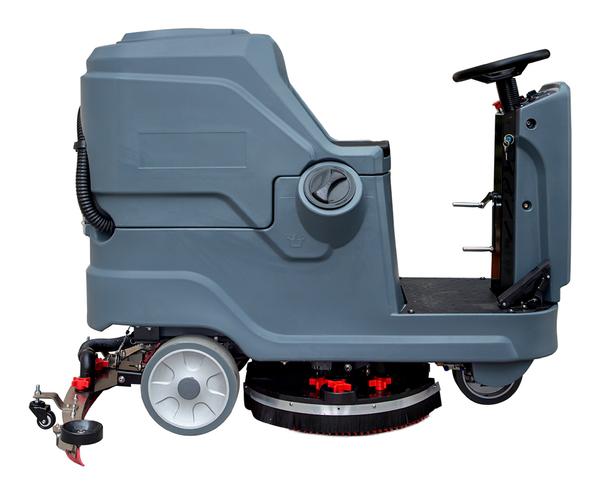
POLIVAC has manufactured in Kensington, Melbourne since 1949 and has been ISO 9001 certified since 1997. The range covers the machines a centre genuinely runs: burnishers for concourse gloss, scrubbers sized for both wide concourse and tight back-of-house corridors, carpet extractors for cinemas and common areas, and vacuums for detail work. All of it is supplied and serviced through 225+ distributors nationally, which matters when you are running the same fleet across several centres.
One centre, half a dozen surfaces
A centre is not one floor. The concourse is usually terrazzo, polished stone or large-format tile, and it sets the impression the whole asset trades on. Around it are entry matting and transition zones, food court hard floor, cinema and function-space carpet, escalator and travelator surrounds, back-of-house sealed concrete, amenities tile with grout that shows every missed pass, and tenancy floors that are the tenant’s problem until they visibly are not. A single machine will not serve that spread. Most centres settle on a burnisher for concourse gloss, one or two scrubbers matched to concourse width and back-of-house tightness, an extractor such as a Predator or Terminator for carpet, and a KOALA backpack for edges, stairs and escalator surrounds where a wheeled machine cannot reach.
A regime built around trading hours
The realistic pattern is layered. Nightly work covers the concourse pass, food court scrub and entry recovery. Weekly work goes deeper on grout, escalator surrounds, back-of-house routes and cinema carpet. Periodic work covers restoration and recoating, which is section-based and staged so no significant run of the mall is out of service during trade. Wet weather rewrites all of it, so build the roster with the assumption that entries will need extra attention rather than treating rain as an exception. Slip-resistance obligations on your floors belong to you and your flooring supplier; what a machine can do is apply the regime you have decided on consistently, which is usually where slip incidents actually come from.
Fleets, tenancies and who services what
Centres rarely buy one machine. They buy or specify a fleet, often across multiple sites, and often through a cleaning contractor rather than directly. That makes standardisation worth something: common pads, common consumables and operators who can move between centres without retraining. POLIVAC does not sell direct, so this runs through a distributor, and with 225+ distributors across Australia there is generally one local to each centre in your portfolio rather than one distant account handling everything. It is worth being explicit at specification time about which machines are POLIVAC-built in Kensington and which are imported lines that POLIVAC supplies, such as the Mytee extraction range, because parts lead times can differ.
Common questions in shopping centres and retail
Ready to spec your site?
Your nearest distributor will walk the site with you and pull the right system together — machines, pads, chemistry and training.