
Offices and Commercial
Floor care in Offices and Commercial buildings happens in the gap between the last person leaving and the first one arriving, under a building manager’s access rules. The work has to move between lobby stone, lift cars, carpet-tiled tenancies and end-of-trip wet areas without disturbing the after-hours occupants above.
Find Distributor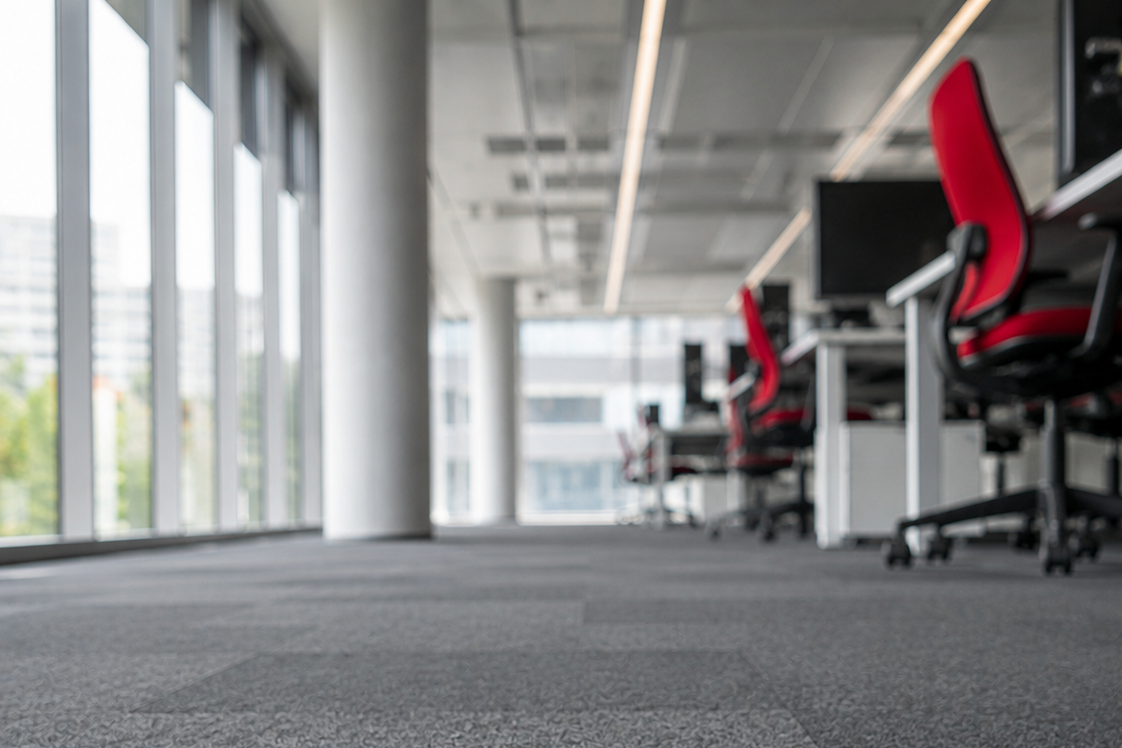
An office tower is not one cleaning environment, it is a stack of them with different owners. The ground plane belongs to the base building and is judged on appearance by everyone who walks through it. The tenancies belong to tenants with their own fitouts, their own security rules and their own opinions about when someone may be on the floor. Between them sit lift lobbies, fire stairs, amenities and end-of-trip facilities that nobody claims until something goes wrong. A machine that suits one of those does not automatically suit the others.
The constraint that shapes everything else is time. Access is granted in a window, the window is bounded by security and by whoever is still working late, and the floor has to be finished and back in service before the first pass of the morning. That rules out anything that needs a long make-ready, and it puts a premium on machines that can be carried into a passenger lift and set to work without a staging area.
Working inside the window
The office regime divides cleanly into what happens nightly and what happens on a program. Nightly work is vacuuming, spot attention to traffic lanes, hard floor in lift lobbies and amenities, and whatever the day’s spills demand. The periodic program carries the burnishing cycle on the ground plane, restorative carpet work floor by floor, and the harder resets in end-of-trip and kitchen areas. The mistake is letting periodic work leak into the nightly window, because the nightly window has no slack in it. Machines that make the nightly pass faster, particularly compact polishers and low-profile scrubbers that get under workstation runs and around fixed furniture, buy the time that the periodic program then uses.
Four floor types on a single level
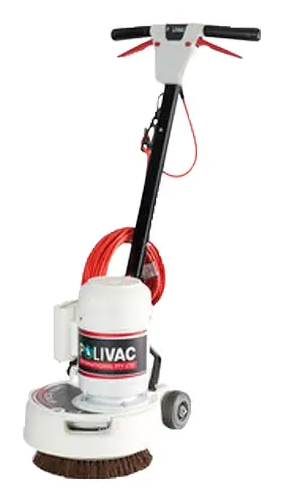
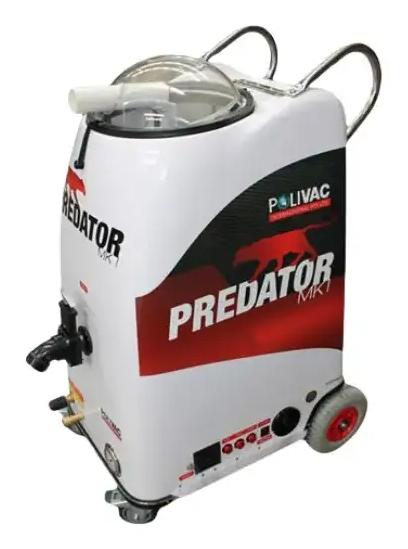
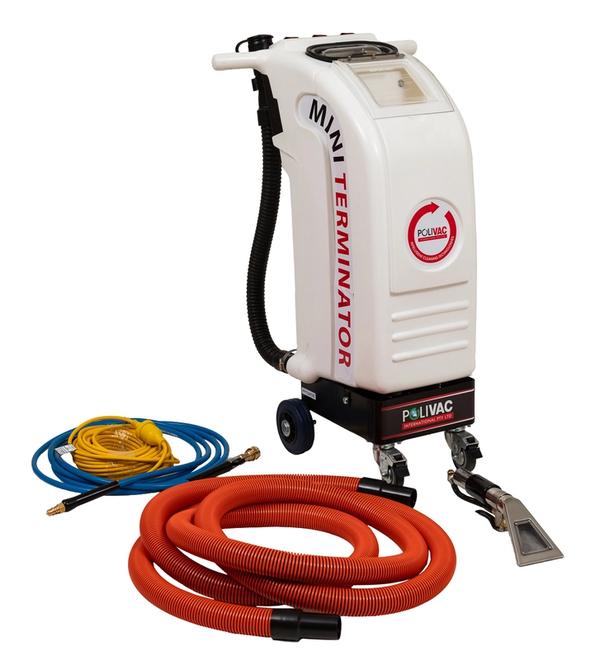
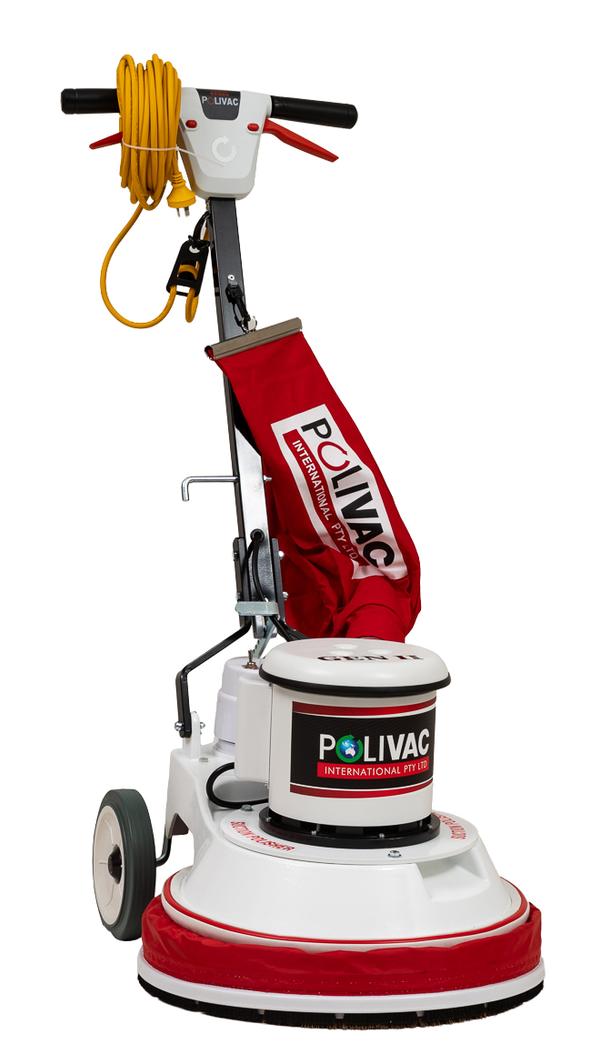
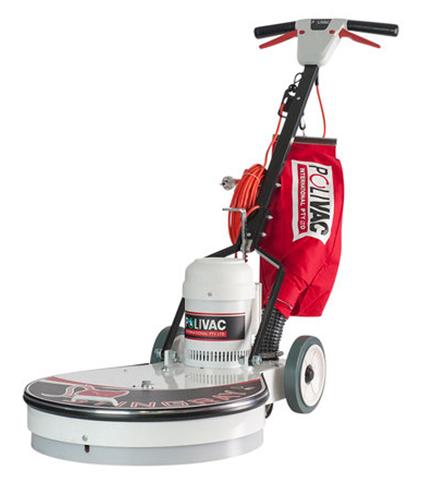
A typical commercial floor plate presents carpet tile across the open plan, a hard-floor lift lobby, a wet area in the amenities, and sometimes a timber or vinyl finish in a client-facing suite. That is four maintenance behaviours within a lift ride of each other, and carrying four machines up is not realistic. In practice a compact polisher and a small scrubber handle the hard surfaces, an extractor handles the carpet on its own cycle, and the KOALA backpack vacuum covers the walk-through work between them. End-of-trip facilities deserve their own thought: tiled, wet, heavily used and subject to whatever slip-resistance requirements your building’s own assessment sets. The SHARK low profile scrubber is built to get into those constrained rooms without dismantling the fitout.
Specifying with a distributor, and keeping the machine on site
POLIVAC machines are sold and serviced only through distributors, and in office work that relationship is worth more than it first appears. The distributor can look at the actual building rather than a floor plan, which is how questions about lift dimensions, storage cupboards, power access after hours and where a machine lives between shifts get answered properly. They also hold the consumables, which is the difference between a cleaner improvising with the wrong pad and having the right one on the shelf. With 225+ distributors across Australia, that support is local to the building rather than routed through a head office. If your portfolio spans several towers, it is worth having one conversation covering all of them so the equipment is consistent and your supervisors are not learning a different fleet in each building.
Common questions in offices and commercial
Ready to spec your site?
Your nearest distributor will walk the site with you and pull the right system together — machines, pads, chemistry and training.