
Hotels and Hospitality
Hotels and Hospitality floors are never closed. Cleaning happens beside sleeping guests, around a function room that turns over before breakfast, and through a kitchen running later than the front desk. Nothing can be loud, nothing can stay wet underfoot, and nothing can look mid-job when a guest walks past.
Find Distributor
Every other sector gets a period when the building is empty. Hospitality does not. Guests check in at midnight and sleep until noon, the kitchen is still plating after the last function has cleared, and the lobby is on display continuously. There is no hour at which a corridor can be closed off and worked on properly, so the work is broken into passes that can be started, paused and finished without leaving evidence.
The second complication is that a hotel contains at least three genuinely different buildings. Front of house is judged on appearance and quiet. Guest floors are judged on not waking anyone. Back of house is a commercial kitchen, a loading dock and a laundry, with grease, water and heavy trolley traffic. The same cleaning team crosses all three in a shift, often with whatever equipment is in the housekeeping store.
Cleaning on the guest’s clock
Hospitality regimes are built around occupancy patterns rather than a fixed nightly run. Guest floors are worked after the main checkout wave and before the afternoon arrivals, which is a genuinely short window and one that shrinks when the house is full. Function spaces are cleaned to the event schedule, sometimes twice in a day. Front of house is maintained more or less continuously, in short passes that never look like a project. Back of house is the only area with anything resembling a conventional deep-clean slot, usually after the kitchen closes. The equipment implication is consistent across all of them: machines have to be quick to deploy, quick to withdraw, and quiet enough that their use is not a decision requiring management sign-off.
From the entry to the cool-room door
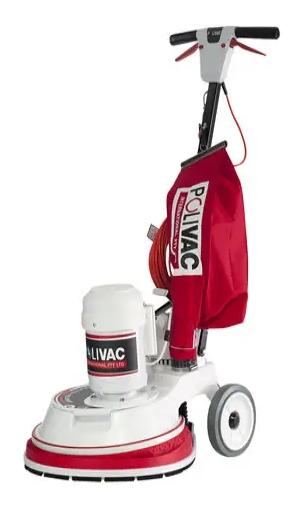
Few buildings put this many surfaces under one roof. Entry stone and terrazzo, carpet through the lobby and corridors, timber or vinyl in a restaurant, tile in bathrooms and pool surrounds, quarry tile and sealed concrete in the kitchen and dock. Each one has a different failure mode, and the ones that show first are always front of house. Corridor carpet takes wheeled luggage in the same track thousands of times, which is a wear pattern rather than a soiling pattern and needs restorative extraction rather than more vacuuming. Kitchen tile fails at the grout line. Entry stone shows every mark because of how the light sits on it. A range that covers burnishing, scrubbing and extraction from one manufacturer means the property is not managing four supplier relationships to keep one building presentable.
Who fixes it when the property is full
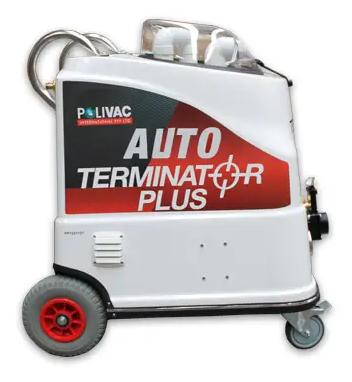
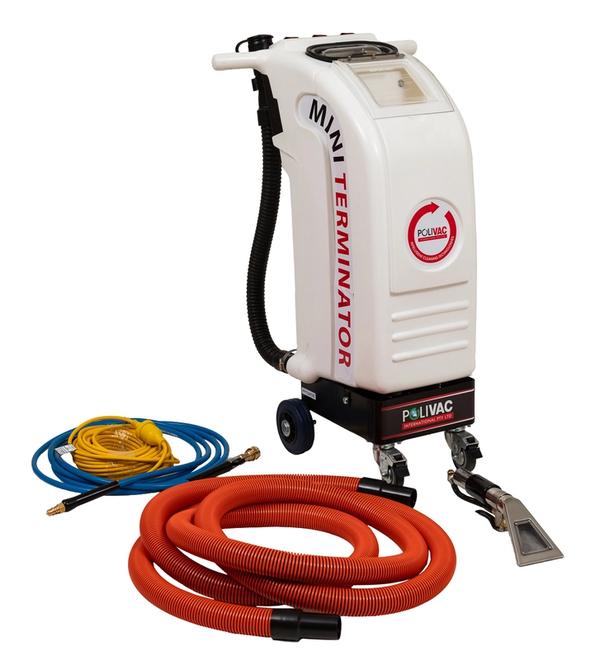
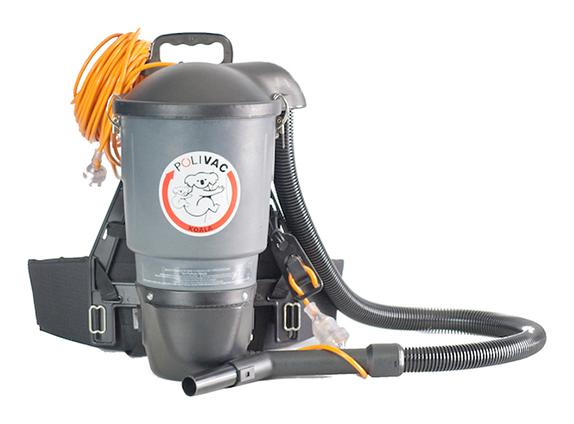
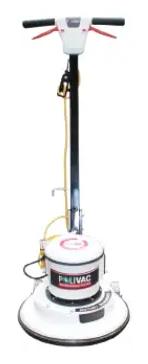
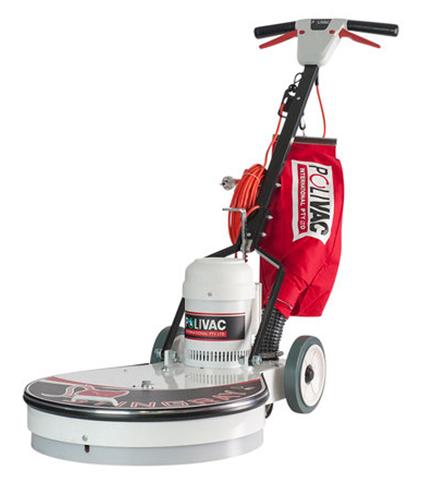
POLIVAC does not sell direct. Machines are supplied and serviced through 225+ distributors nationally, which for a hotel means the servicing relationship is local to the property rather than sitting with a national procurement contact in another state. That matters most at the point of failure, because a hotel cannot postpone a function turnaround while a machine is away. POLIVAC has manufactured in Kensington, Melbourne since 1949 and has been ISO 9001 certified since 1997, and building here is why spares for the main scrubber, polisher and extractor families are held in Australia. Where the range includes imported equipment, the Mytee extractors and the Mitchell scrubbers among them, that is stated plainly rather than blurred: those are lines POLIVAC supplies and supports, not machines it builds.
Common questions in hotels and hospitality
Ready to spec your site?
Your nearest distributor will walk the site with you and pull the right system together — machines, pads, chemistry and training.