
Hospitals and Healthcare
Floor care in Hospitals and Healthcare is governed by infection control and by a building that never closes. Machines have to capture dust at source rather than recirculate it, work around occupied beds and live equipment, and be serviceable without a ward losing its cleaning window.
Find Distributor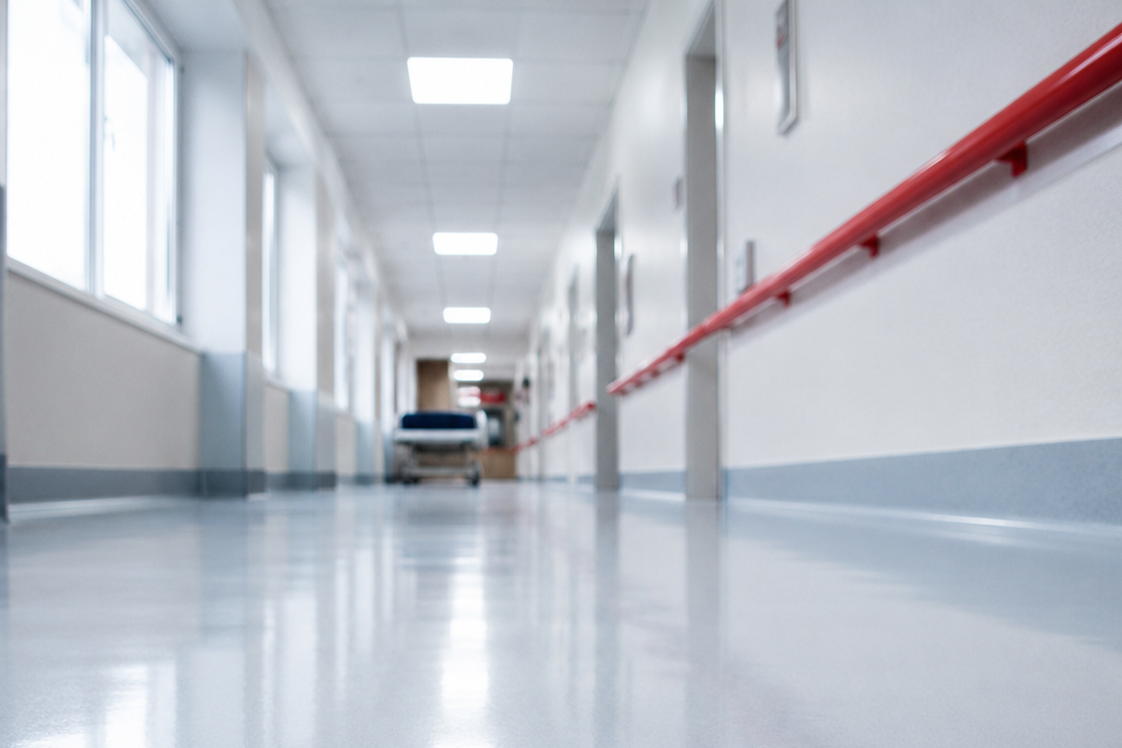
A hospital floor is cleaned to a protocol written by someone other than the cleaning manager. Frequencies, chemical selection, equipment segregation between zones and the response after an isolation is lifted are all set by infection control, and a floor machine either fits that regime or gets left in the store room. The practical consequence is that throughput is rarely the deciding specification. What decides it is whether the machine can work in an occupied space without putting particulate back into the air, without laying a lead across a corridor beds are moving through, and without needing a wing closed to justify bringing it out.
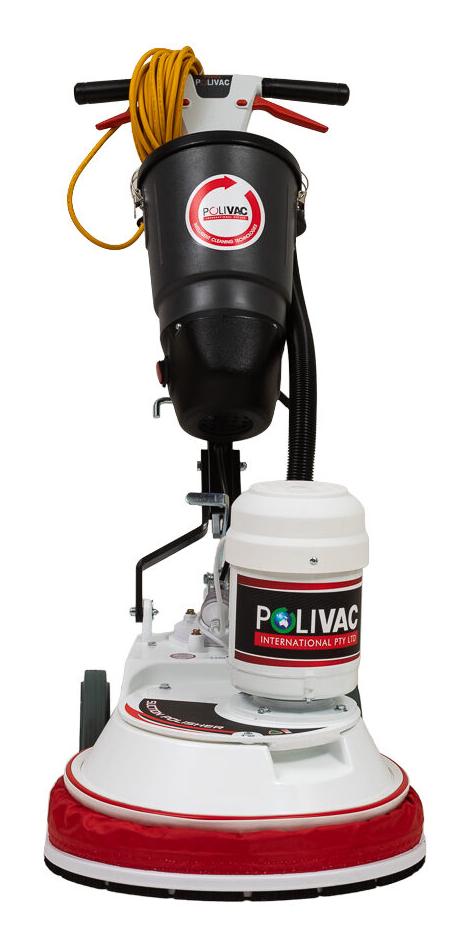
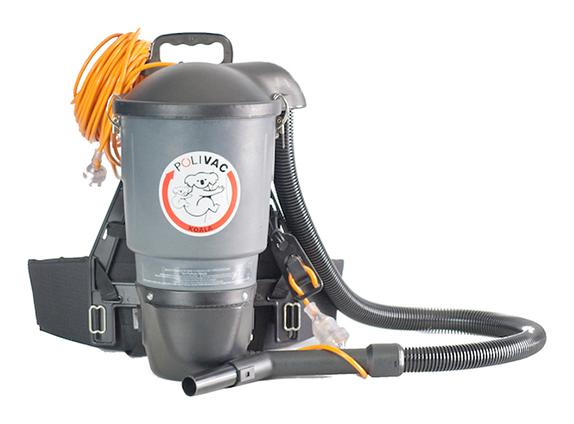
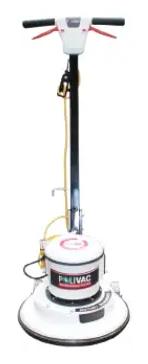
POLIVAC has built floor machines in Kensington, Melbourne since 1949 and invented the world's first suction polisher, which is the machine type this sector ended up depending on most. Capturing dust into a filter bag in the same chassis that drives the pad was a hygiene decision before it was a convenience one. That thinking is still visible in the range: the PV25 Hospital Canister With Hepa Filter exists as its own machine rather than as an accessory kit, because in clinical areas filtration is not an upgrade path.
Cleaning regimes that answer to infection control
Routine floor work in a hospital is defined by the frequency schedule your infection-control team set, not by how the floor looks at the end of a shift. Patient zones get worked daily, high-touch and high-risk areas more often, and a vacated isolation room gets terminal cleaning on its own trigger rather than on the roster. A machine has to slot into that timetable rather than impose one. The suction polisher does two jobs on one pass, which is why it survived in this sector: the pad works the floor while the vacuum pulls what the pad lifts into a bag inside the same chassis. Periodic work sits on a different clock again. Burnishing sealed vinyl back to gloss, or scrubbing back and recoating a corridor, has to be booked against ward occupancy, and it is usually the power lead rather than the noise that decides whether it can go ahead while beds are moving.
The surfaces you actually have
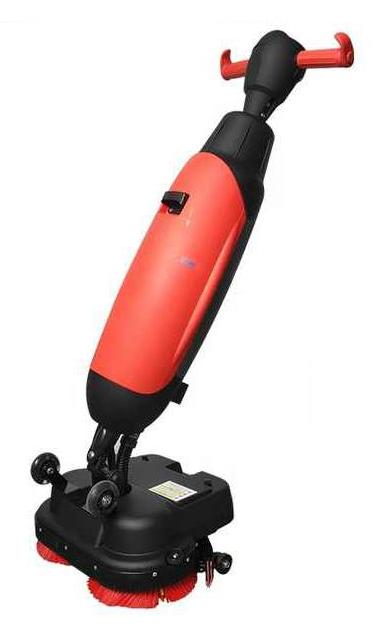
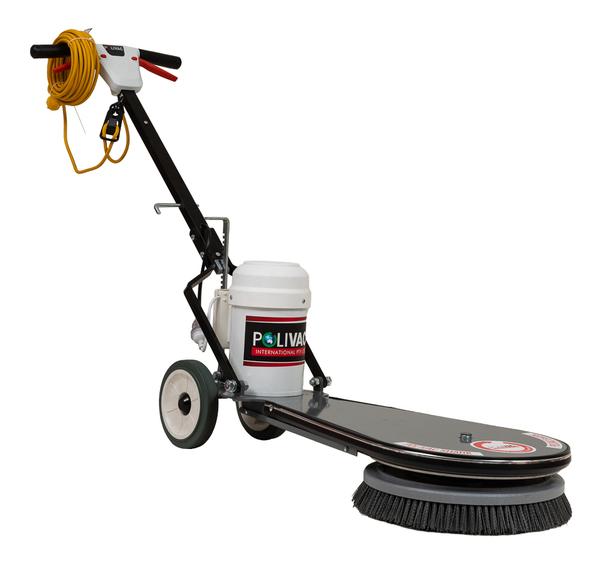
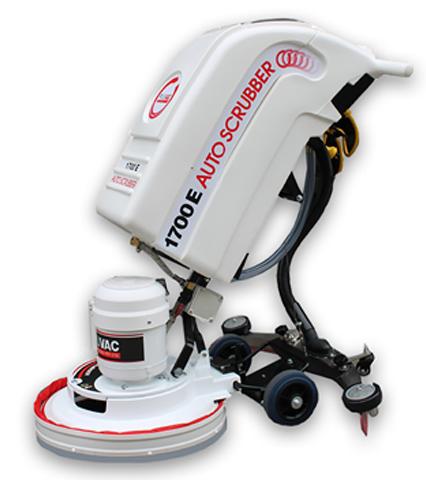
Very little of a hospital is the one floor type the brochure photograph shows. Welded sheet vinyl runs through wards and corridors; safety flooring with aggregate through ensuites, sluice rooms and wet areas; sealed concrete through plant rooms, basement corridors and the dock; carpet through admin, waiting areas and consulting suites; and older entrances often still carry terrazzo. Safety flooring is the one that catches people out, because the aggregate that gives it grip also holds soil, and a pad glides over it. That is scrubber-and-brush work, not polisher work. Carpeted consulting and waiting areas need spot extraction rather than a scheduled deep clean, which is what the Mini Terminator and the Predator range are sized for, and the Flood Hog from the imported Mytee range that POLIVAC supplies is the machine people go looking for when a pipe lets go over a weekend.
Procurement, panels and the cost of a stopped machine
Health procurement rarely turns on the purchase price. It turns on panel arrangements, on whole-of-life cost, and on whether the machine will still be supportable in a decade when the ward has been refurbished twice. Ask the practical version of that question: which distributor holds the wear parts, what is on their shelf today, and who attends when a machine fails on a Friday. POLIVAC does not sell direct, so the distributor who quotes is the distributor who services, and that relationship is worth testing before the order rather than after it. Manufacturing has been in Kensington since 1949, so the parts trail for an older machine leads to a factory rather than to a discontinued import.
Common questions in hospitals and healthcare
Ready to spec your site?
Your nearest distributor will walk the site with you and pull the right system together — machines, pads, chemistry and training.