
Aged Care
Aged Care floors are cleaned in someone’s home. The work happens while residents are walking the corridor with frames and wheelchairs, which puts noise, trip hazards and slip resistance ahead of throughput. Corridors cannot be closed, so machines have to work a half-width at a time and be quiet enough to run during waking hours.
Find Distributor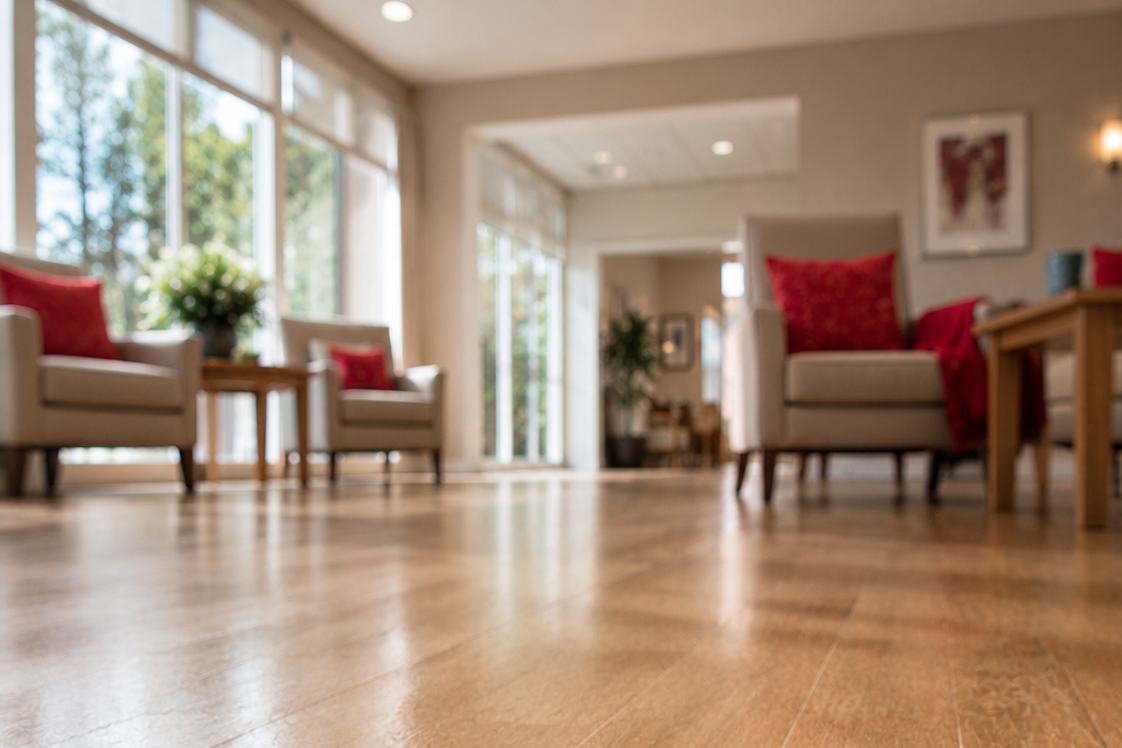
The single fact that reorganises everything else is that residents live there. A hospital ward empties and refills; a residential aged care corridor has the same people walking it every day, often with a frame or a walking stick, often at the exact hour the cleaner would prefer to have it to themselves. You cannot barricade a wing, you cannot leave a floor wet across the full width, and you cannot run a loud machine outside a bedroom at seven in the morning without hearing about it from the family by lunchtime. Cleaning here is negotiated around a resident’s day rather than scheduled against a building’s downtime.
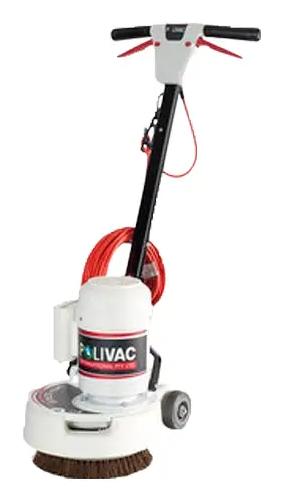
That pushes the specification in a direction the spec sheet does not lead with. Footprint, noise at the doorway of the nearest room, whether there is a lead to trip over and how quickly the floor is walkable again matter more than pad size or motor wattage. POLIVAC has built for this since 1949, and the suction polisher it invented collapses two passes into one, which is worth more in a corridor you have to hand back than anywhere else.
Cleaning around a resident’s day
The routine is set by the meal service and the activity program rather than by a cleaning schedule. Dining rooms get turned around after each sitting, which is spot work and fast drying rather than a full machine pass. Bedrooms get done while the resident is at an activity, and a room turnover after someone leaves is the one job with a deadline attached, because the bed is usually needed. Corridors get the machine work, and they get it in the window between breakfast traffic and the mid-morning movement to activities. The weekly polish or burnish cycle is what keeps a corridor looking maintained without a strip-and-seal every year, and the discipline that makes it work is taking coating off periodically rather than only ever adding to it.
The floors in a modern residential facility
New builds have largely settled on sheet vinyl or timber-look vinyl plank through corridors and rooms, with safety flooring in ensuites and coved skirting throughout, because it cleans quickly and is kind to a frame or a wheelchair castor. Older facilities still have carpet in bedrooms and broadloom through lounges, which changes the equipment list entirely. Almost every site has a courtyard or a covered outdoor area with pavers or stamped concrete that residents use daily and that nobody’s indoor machine suits. Working out which of those five surfaces you actually have, and in what proportion, is a more useful starting point than a machine comparison, because the mix rather than the total area determines how many machines a site needs.
Buying and keeping machines running on a single-site budget
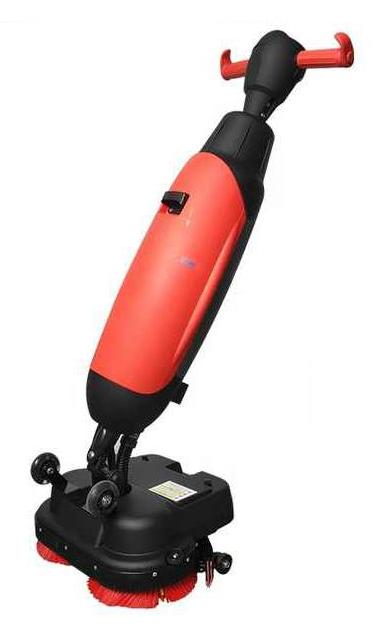
Most facilities are buying one or two machines, not fitting out a fleet, so the machine that does two jobs adequately usually beats the one that does a single job perfectly. A suction polisher that removes the separate vacuum pass, or a compact scrubber that handles both corridors and the ensuite floors, is the kind of trade worth making when storage is one cupboard and capital is approved annually. POLIVAC sells and services only through distributors, 225+ of them across Australia, so the person who quotes you is local, holds the parts and can come back. Manufacturing has been in Kensington, Melbourne since 1949 and POLIVAC has held ISO 9001 certification since 1997, which is the practical reason a machine bought a decade ago can still be repaired rather than replaced.
Common questions in aged care
Ready to spec your site?
Your nearest distributor will walk the site with you and pull the right system together — machines, pads, chemistry and training.